
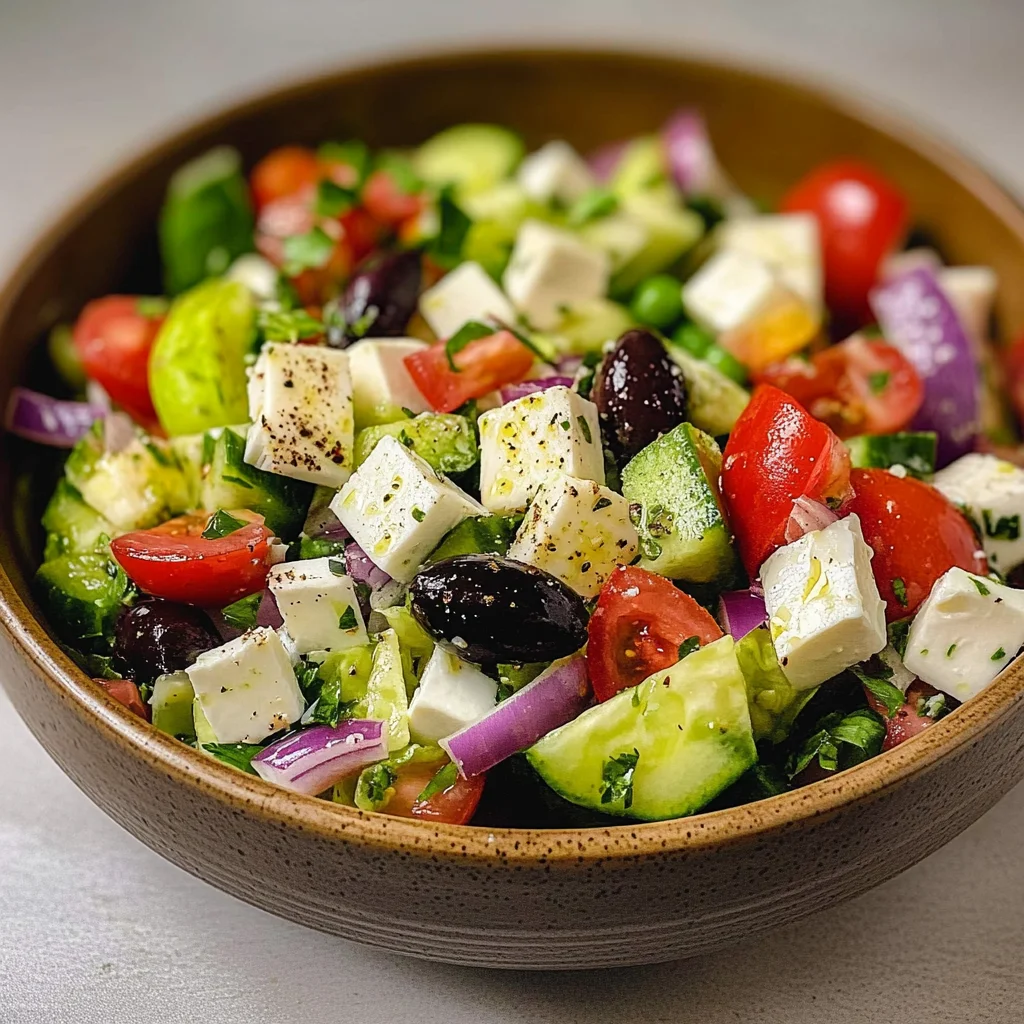
Imagine biting into a vibrant Greek salad, where the crisp crunch of fresh cucumbers meets the juicy sweetness of ripe tomatoes, creating a symphony of flavors that dance on your palate. The tangy feta cheese adds a creamy richness, while the briny olives punctuate each bite with an irresistible burst of savoriness, making this dish a true celebration of Mediterranean delight.
Every summer evening as a child, my family would gather under the stars to share stories and laughter over our favorite Greek salad, paired perfectly with grilled meats and warm pita bread. Whether it’s a backyard barbecue or a festive gathering, this refreshing dish brings everyone together, promising an explosion of flavors that will leave your taste buds singing and your heart full.
Why Is greek salad So Irresistibly Good?
Freshness shines through every bite with crisp cucumbers and vibrant tomatoes. Creamy feta adds a rich flavor that perfectly balances the tanginess of olives. Quick and easy to prepare, this salad requires no cooking—just chop and mix! Versatile enough to complement any meal, it’s a crowd-pleaser that appeals to everyone. Enjoy it as a light lunch or a refreshing side dish!
greek salad Ingredients
For the Vegetables
- 2 cups cucumber (diced) – Crunchy and hydrating, cucumbers add a fresh, crisp texture to your greek salad.
- 2 cups tomatoes (diced) – Juicy and sweet, tomatoes bring vibrant color and flavor that brightens up the dish.
- 1 cup red onion (thinly sliced) – Red onions provide a mild bite, complementing the other ingredients beautifully.
- 1 cup bell pepper (diced) – Bell peppers add sweetness and a pop of color, enhancing the overall appeal of your salad.
For the Cheese and Olives
- 1 cup feta cheese (crumbled) – Creamy and tangy, feta is essential for giving your greek salad its signature flavor.
- 1/2 cup kalamata olives (pitted and halved) – Rich and briny, kalamata olives add depth and an authentic Mediterranean touch.
For the Dressing
- 1/4 cup olive oil – A good quality olive oil serves as a luscious base for your dressing, enriching every bite.
- 2 tablespoons lemon juice (freshly squeezed) – Fresh lemon juice brightens flavors and balances the richness of the feta cheese.
- 1 teaspoon oregano (dried) – Oregano introduces a fragrant herbaceous note that ties all the flavors together in this greek salad.
- salt to taste – Salt enhances all the flavors; adjust according to your preference for seasoning.
- pepper to taste – Freshly cracked pepper adds a subtle spice that elevates the overall taste profile.
How to Make greek salad

1. Combine vegetables: In a large mixing bowl, toss together the 2 cups of diced cucumber, 2 cups of diced tomatoes, 1 cup of thinly sliced red onion, and 1 cup of diced bell pepper. The vibrant colors will instantly brighten your kitchen!
2. Add cheese and olives: Gently fold in 1 cup of crumbled feta cheese and 1/2 cup of pitted and halved kalamata olives. This step adds a delightful creaminess and briny flavor that complements the fresh veggies beautifully.
3. Whisk the dressing: In a small bowl, whisk together 1/4 cup of olive oil, 2 tablespoons of freshly squeezed lemon juice, 1 teaspoon of dried oregano, plus salt and pepper to taste. This zesty dressing brings it all together!
4. Dress the salad: Pour the dressing over the salad mixture and toss gently to combine all the ingredients evenly. You’ll want every bite to be bursting with flavor!
5. Serve or chill: Serve immediately for a fresh crunch, or refrigerate for about 30 minutes to allow the flavors to meld together deliciously.
Optional: Garnish with extra feta or fresh herbs for an added touch!
Exact quantities are listed in the recipe card below.
Tips for the Best greek salad
- Fresh Ingredients: Use ripe, seasonal tomatoes and crisp cucumbers for a vibrant flavor that elevates your greek salad. Avoid overripe or mushy veggies.
- Perfect Onion Slices: Thinly slice red onion to avoid overpowering the salad with bitterness. Soaking them in cold water for a few minutes can mellow their sharpness.
- Feta Quality: Opt for high-quality feta cheese; it should be creamy and crumbly. Store-bought brands can vary significantly, so choose one you love.
- Dressing Balance: Whisk the olive oil and lemon juice until emulsified to ensure an even coating on all ingredients. This prevents soggy vegetables.
- Chill Time: Allow your greek salad to sit in the fridge for 30 minutes before serving. This lets flavors meld beautifully, enhancing each bite.
- Season Carefully: Taste your salad after dressing; adjust salt and pepper as needed. Over-seasoning can mask the fresh flavors of your ingredients.
How to Store and Freeze greek salad
- Fridge: Keep your greek salad in an airtight container for up to 3 days. This will help retain the freshness of the veggies and feta cheese.
- Dressing Storage: Store the dressing separately in a sealed jar for up to 1 week. Shake well before using to revive its vibrant flavors.
- Freezer: Avoid freezing the salad, as the vegetables and feta do not thaw well. It’s best enjoyed fresh!
- Serving Tips: If you have leftovers, consider refreshing them with additional lemon juice or olive oil for a zesty boost!
greek salad Your Way
Feel free to let your creativity shine by personalizing this refreshing dish with your favorite ingredients!
- Herbed Delight: Add fresh herbs like parsley or mint for a burst of aromatic flavor. Chopped herbs can elevate the taste and add a lovely color contrast.
- Spicy Kick: Toss in some sliced jalapeños or crushed red pepper flakes for an exciting heat that complements the cool veggies perfectly.
- Avocado Love: Incorporate diced avocado for a creamy texture and rich flavor. The buttery avocado pairs beautifully with the tangy feta and olives, creating a deliciously satisfying bite.
- Chickpea Boost: Mix in a cup of drained chickpeas for added protein and heartiness. This twist not only makes the salad more filling but also adds a delightful nutty flavor.
- Roasted Veggies: Swap fresh bell peppers for roasted ones to introduce a smoky depth. Roasting enhances their sweetness, making each salad bite even more enjoyable.
- Seasonal Switch: Use seasonal veggies like zucchini or asparagus instead of cucumbers or tomatoes. Embrace the freshest flavors available to keep your salad vibrant and interesting.
- Nutty Crunch: Throw in some toasted pine nuts or walnuts for an unexpected crunch. The nuts provide texture and extra nutrients, making your salad even more wholesome.
- Cheesy Options: Try using goat cheese instead of feta for a tangy twist. Goat cheese’s creamy texture can add richness that pairs wonderfully with the other ingredients.
Make-Ahead Tips for greek salad

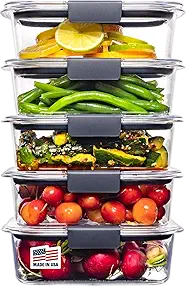
Greek salad is an ideal candidate for meal prep, allowing you to enjoy its fresh flavors all week long. You can dice the cucumbers, tomatoes, red onions, and bell peppers up to 24 hours in advance and store them in an airtight container in the refrigerator. The feta cheese and kalamata olives can also be added at this stage, as they hold well. Prepare the dressing by whisking together olive oil, lemon juice, oregano, salt, and pepper; this can be made up to 3 days ahead and stored separately. When you’re ready to serve, simply combine everything in a large mixing bowl and toss gently to ensure all those vibrant flavors meld together beautifully! This approach not only saves time but also keeps your greek salad crisp and delicious.
greek salad Questions Answered
What types of cucumbers work best for a Greek salad?
For a refreshing Greek salad, English cucumbers or Persian cucumbers are excellent choices. Their thin skin and fewer seeds provide a crisp texture without overwhelming the other ingredients. If you can only find regular cucumbers, just peel them to avoid bitterness!
Can I substitute other cheeses for feta in this recipe?
Absolutely! While feta is a classic choice, you can use crumbled goat cheese or even mozzarella for a creamier texture. Just keep in mind that these alternatives will change the flavor profile slightly, but they can still create a delicious salad.
How long can I store leftovers of my Greek salad?
If you have leftover Greek salad, it’s best enjoyed within 1-2 days when stored in an airtight container in the refrigerator. The vegetables may become soggy over time, so it’s wise to keep the dressing separate until you’re ready to eat.
Is there a way to make this Greek salad vegan?
Yes! You can easily make this recipe vegan by omitting the feta cheese or substituting it with vegan feta alternatives made from nuts or soy. This way, you maintain that lovely creamy element while keeping your salad plant-based.
How can I enhance the flavor of my Greek salad dressing?
To elevate the flavors of your dressing, consider adding a pinch of red pepper flakes for heat or fresh herbs like basil or parsley for freshness. Fresh lemon zest also adds a bright note that complements the lemon juice beautifully.
What is the serving size for this Greek salad?
This recipe makes about 4 servings, with each serving containing around 200 calories. It’s perfect as a side dish at gatherings or as a light main course on its own!
Greek Salad
Ingredients
Method
- In a large mixing bowl, combine the diced cucumber, tomatoes, red onion, and bell pepper.
- Add the crumbled feta cheese and kalamata olives to the bowl.
- In a small bowl, whisk together the olive oil, lemon juice, oregano, salt, and pepper.
- Pour the dressing over the salad and toss gently to combine.
- Serve immediately or refrigerate for 30 minutes to allow flavors to meld.